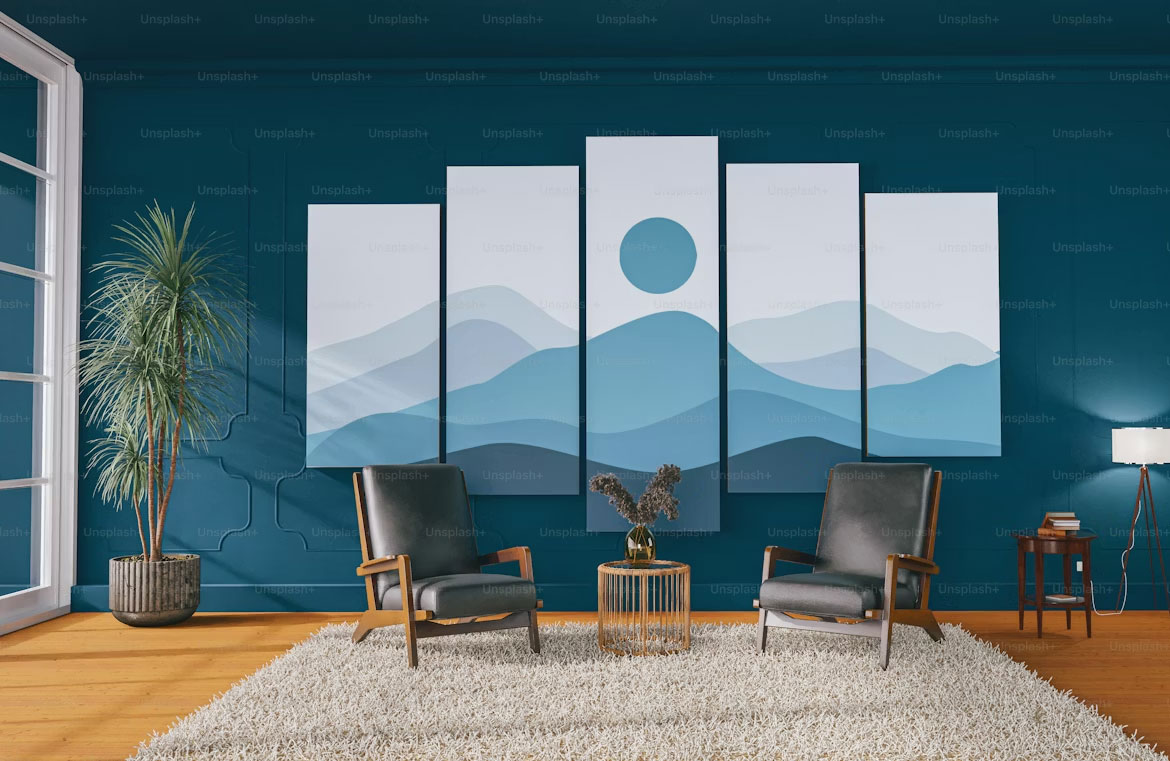
Canvas Paintings vs Digital Wall Art: Which Is Better?
Wall art has become one of the most important elements of modern interior design. Whether you want to create a luxurious living room, a calm bedroom, or a stylish office, the right artwork can completely transform your space. Among the most popular choices today are canvas paintings and digital wall art. Both styles offer beauty, creativity, and personality, but each has its own unique appeal.
If you are confused about which one is perfect for your home, this guide will help you understand the differences, benefits, and best uses of canvas paintings and digital wall art.
What Are Canvas Paintings?
Canvas paintings are artworks printed or painted on high-quality canvas fabric stretched over a wooden frame. They are known for their textured appearance, artistic feel, and timeless elegance. Canvas art can include abstract paintings, traditional Indian art, acrylic artwork, nature-inspired designs, and contemporary wall decor.
Benefits of Canvas Paintings
1. Premium and Artistic Appearance
Canvas paintings offer a rich texture and gallery-style finish that instantly enhances any wall.
2. Timeless Home Decor Choice
Unlike temporary decor trends, canvas paintings remain stylish for years.
3. Perfect for Large Statement Walls
Large canvas paintings can become the focal point of your living room or office.
4. Long-Lasting Durability
High-quality canvas art lasts for years without losing its charm.
5. Adds Warmth and Personality
Canvas artwork creates an emotional and elegant atmosphere.
What Is Digital Wall Art?
Digital wall art refers to artwork created digitally using modern design software and printing techniques. These artworks often feature clean designs, vibrant colors, and contemporary styles.
Benefits of Digital Wall Art
1. Modern and Trendy Designs
Digital wall art perfectly matches modern apartments and minimalist interiors.
2. Wide Variety of Styles
From abstract graphics to contemporary Indian designs, digital art offers endless options.
3. Budget-Friendly Decor Solution
Digital wall art is often more affordable than handcrafted artwork.
4. Sharp Colors and Clean Finishes
Modern printing technology allows digital artwork to produce vibrant visuals.
5. Easy Customization
Digital designs can easily be customized according to room aesthetics.
Canvas Paintings vs Digital Wall Art: Key Differences
Which One Should You Choose?
Choose Canvas Paintings If:
- You want a luxurious and elegant interior.
- You prefer timeless artwork over temporary trends.
- You love textured and artistic wall decor.
- You want statement pieces for living rooms or office spaces.
- You appreciate traditional Indian paintings or handcrafted acrylic artwork.
Choose Digital Wall Art If:
- You prefer modern and minimalist interiors.
- You enjoy trendy and contemporary aesthetics.
- You want affordable wall decor solutions.
- You frequently update your home styling.
- You love clean and vibrant design elements.
The Growing Trend of Mixing Both Styles
Modern interior designers are now combining canvas paintings and digital wall art together to create layered and visually interesting interiors. For example:
- Large canvas paintings can be used as focal points.
- Smaller digital art pieces can complement surrounding walls.
- Contemporary Indian paintings can be paired with modern abstract digital prints.
- Resin wall art and acrylic paintings can add texture alongside minimalist digital artwork.
This combination creates a balanced and designer-inspired atmosphere.
Final Thoughts
Both canvas paintings and digital wall art have their own charm and beauty. The perfect choice depends on your home decor theme, personal taste, and the atmosphere you want to create.
Explore Premium Wall Art at Splashes By Anu
Discover a beautiful collection of:
- Vibrant Acrylic Art
- Resin Wall Art
- Digital Wall Art Paintings
- Contemporary Indian Paintings
- Traditional Indian Paintings
- Premium Canvas Paintings
Visit Splashes By Anu to explore and buy premium artwork that transforms your interiors with elegance and creativity.